

Eco-responsible Clothing Design and Development
From the design of the piece to its manufacture, Aatise presents the phases of the design of a garment.
Stage 1
Inspiration and reflection: the birth of ideas
The first step in designing a garment is to research trends from the season and past fashions for inspiration.
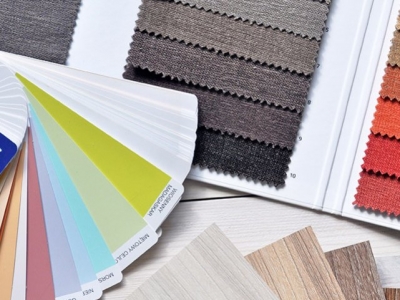
It is highly recommended to create moodboards, also known as summary boards of trends, materials, colours, design (mood boards) etc.

Stage 2
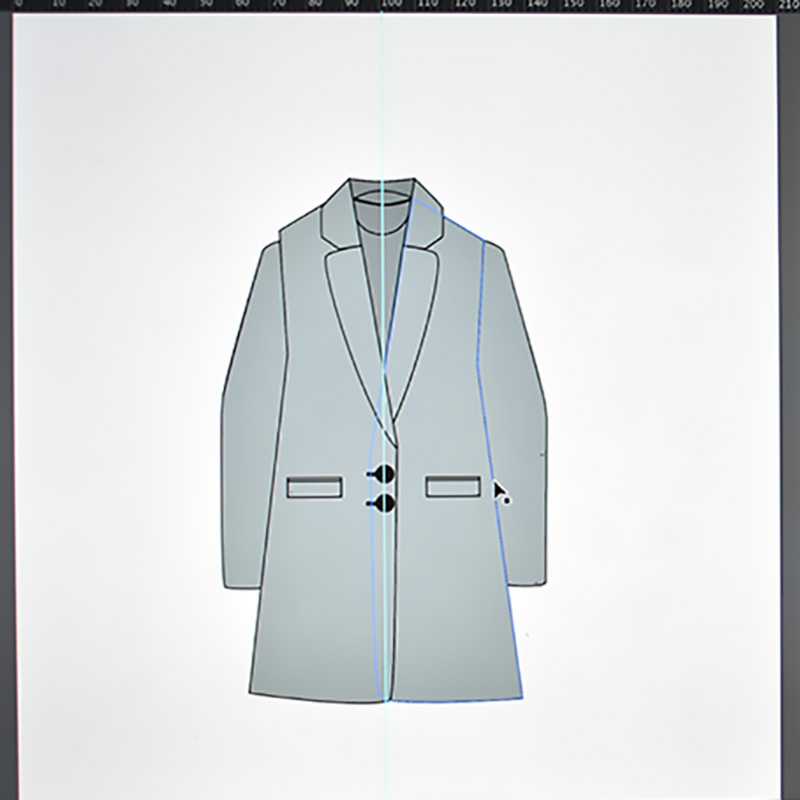
Drawing and creation of sketches
In the sketches, the front and back should be developed. This gives a first idea of the piece and helps to sort out the ideas.
Criteria to be taken into account: trends, price (range), materials, colours, target, and most importantly, if it is possible to manufacture the piece in an eco-responsible material. The adaptability of the material to the piece and the desired function (thermoregulation, lightness, etc.) must also be taken into consideration.
One of the main limitations is that many of today's fabrics are not environmentally friendly, which limits the choice.
Stage3
The pattern-making phase
This step consists of creating the patterns of the garment flat according to the size. It is possible to take patterns already made and transform them.
Stage 4
First, the piece is made in the fabric, which will serve as a first test of our piece (draft). This allows us to see the defects in order to transform them into the real fabric.
Stage 5
As soon as the piece is in the fabric without any defects, we move on to the creation of the latter in the final fabric.
Stage 6
Creation stage in the fabric.
Aatise's aim is to design eco-responsible clothing, using natural fibres. It is therefore essential to choose your suppliers carefully from specialists in the sector.
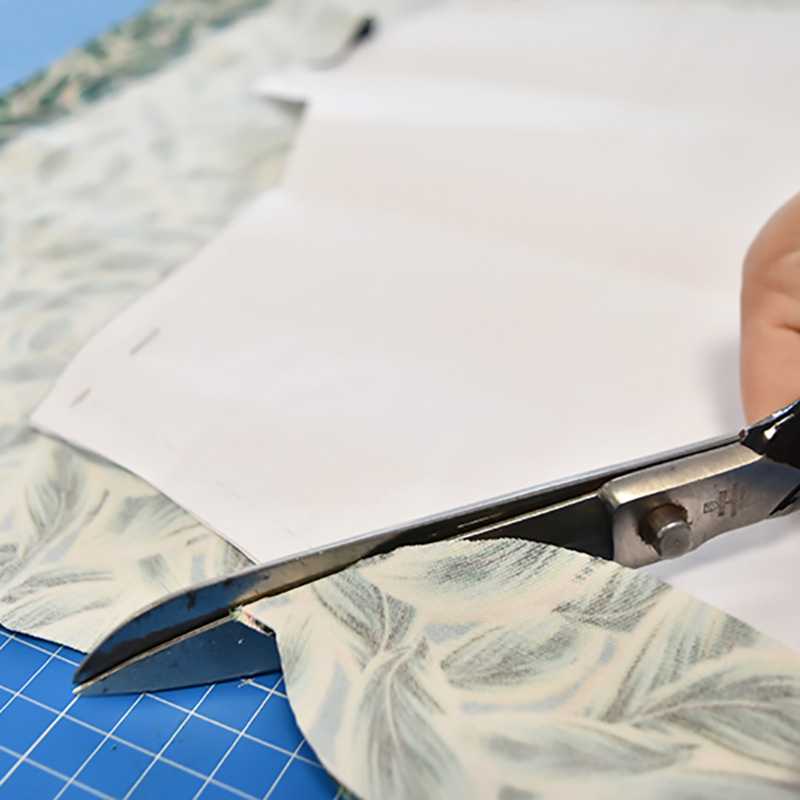
Once the final fabric has been chosen, cut out the pieces according to the patterns. If the fabric patterns are modified, remember to modify the final patterns to achieve the correct result in the real fabric.
Stage 7
Place the patterns on the final fabric and cut out the pieces.
The Making of the Garment
We believe that manufacturing on demand is the most important step in order to produce only what is necessary and to promote zero waste.
Share this content