

What is greenwashing ?
What is it for?
The term greenwashing does not only mean "false advertising", it also refers to fraudulent practices in the context of ecology and the fight against climate change. Brands using this false image prefer to take the easy way out rather than contribute to the well-being of our planet.
Moving to an eco-responsible business model would imply changes in practices and therefore investments. Respect for the environment being a value more and more demanded by consumers, the actors of Greenwashing take advantage of it to give themselves a good brand image and thus to boost sales.
What are the sanctions?
It is a practice considered illegal since 2021, punishable by two years imprisonment and a fine of 300,000 euros. This fine can be increased to 80% of the expenses incurred for the realization of the advertising or the practice of greenwashing.
As greenwashing is controlled and frowned upon nowadays, one may think that few companies still use this deceptive practice. And yet, many companies still use these practices to improve their image. Some examples to illustrate this...
In the cosmetics sector:
Brands that claim their products to be "silicone and paraben free" often replace them with three other harmful products: methylisothiazolinone, formulants and phenoxyethanol. Stay vigilant about reading product labels that can be harmful to the environment and your health.
The textile sector:
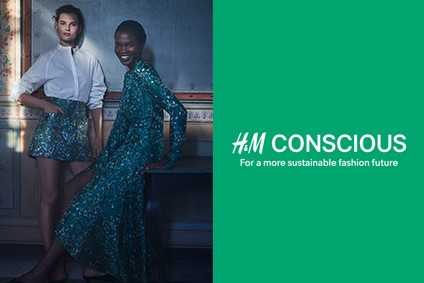
The brand H&M marketed, in 2019, a collection "made from recycled fabrics", out, it was discovered that these were only a tiny part of the clothing.
This kind of brand can hardly claim to be "eco-responsible" and "environmentally friendly" since their collections are constantly renewed, generating overstock, and contributing to a large part of CO2 emissions.
The airline industry:
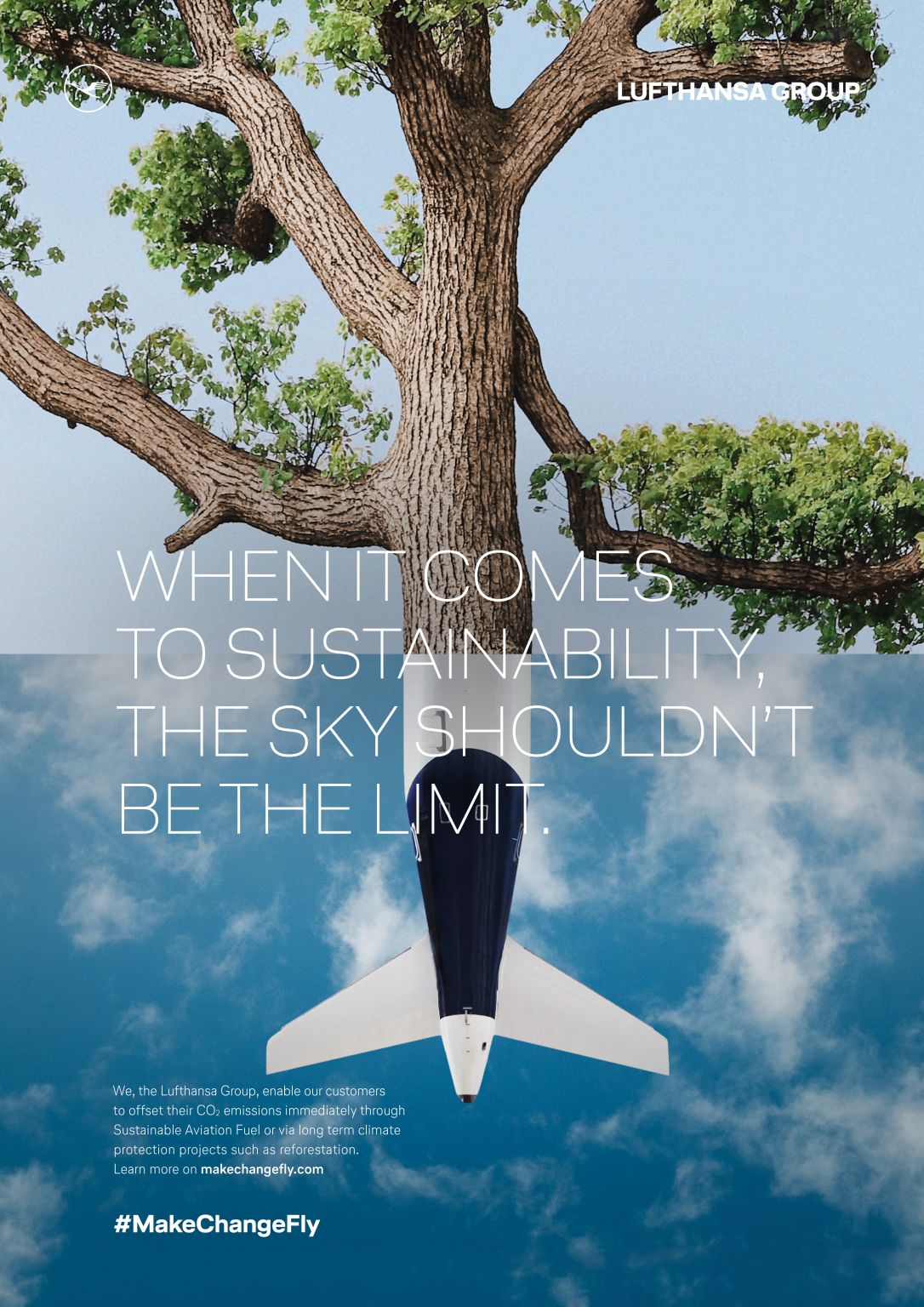
The airline company Lufthansa has launched an advertising campaign using the planet earth and a tree as illustrations. As we all know, flying is far from being an ecological action. However, the company is trying to deceive the consumer by associating their planes with ecological symbols, making it appear that their company is contributing to the well-being of the planet.
This misleading advertising will cost them a request to modify or stop the campaign, requested by the JEP.

The food sector:
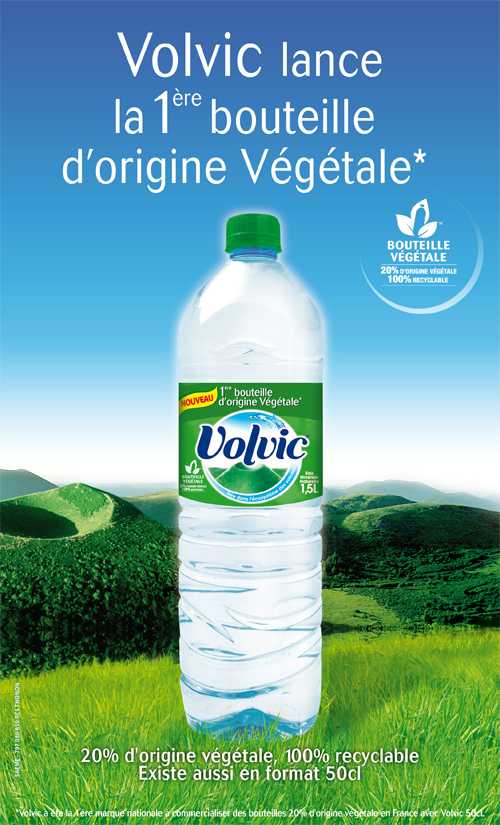
Volvic released in 2010 a bottle of vegetable origin, while it happens to be composed of only 20% of vegetable origin.
To support its lie, they put forward the green color in their advertising to support the ecological argument. Volvic has also created its own label "vegetal bottle", which misleads consumers by playing on the guarantee of quality it suggests.
For a more honest communication, it should be withdrawn.
The service sector:
Skyscanner offers its consumers a flight comparator with an eco-friendly choice. Many flights are qualified as "eco-responsible and with less CO2".
For example, a flight from Paris to Nantes via Barcelona is qualified as eco-responsible, but after digging into the subject, the verdict is not surprising:
Paris - Nantes by train: 2kg of CO2
Paris - Nantes by plane, direct: 88 kg of CO2
Paris - Nantes by plane, via Barcelona: 289 kg of CO2
Consumers are not aware of this information, this site accumulates 5 million visitors per month which represents many people who are victims of misinformation. A significant impact that could have been avoided.
Our tips to recognize greenwashing
Companies that talk about their values of respect for the environment, but do not go into details and remain very superficial in their speeches.
Read carefully the labels of the products, especially those that have the mention "without ..." which allows to convince the buyer at first glance while other toxic products may have been used.
Brands that are greenwashing tend to use the color green to boast about it and make all their packaging with this color, it is necessary to be wary of appearances and to inquire more deeply when the sign is doubtful.
Be informed about the existing labels, some companies create their own without having any verification.
Evaluate the coherence between the words and the actions of a company.
Small tip: use the Yuka application on your cosmetic products to know if the composition of the product is really healthy.
Share this content