


5 Sustainable actions in everyday life by Aatise
Tips and habits for introducing eco-responsibility into your daily life.
1) Consuming better and buying local.
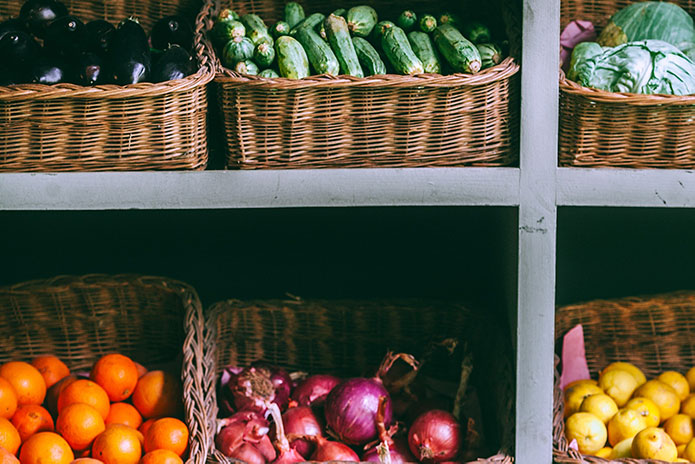

Overconsumption is one of the major issues in today's society. To protect the planet, it would be ideal to consume less and better by favouring quality products that respect nature.
Eco-responsible products are products that minimise the ecological footprint and any adverse effects on the environment. They are made of natural, artificial or recycled materials that respect the environment. They ensure quality and durability.
Favouring the consumption of local and Made in France products has many advantages. The latter travel far fewer kilometres and therefore have less impact on the environment. Moreover, the traceability of the latter is assured. By consuming local products, you are contributing to the local economy and promoting know-how and craftsmanship.
2) Sorting waste and composting.

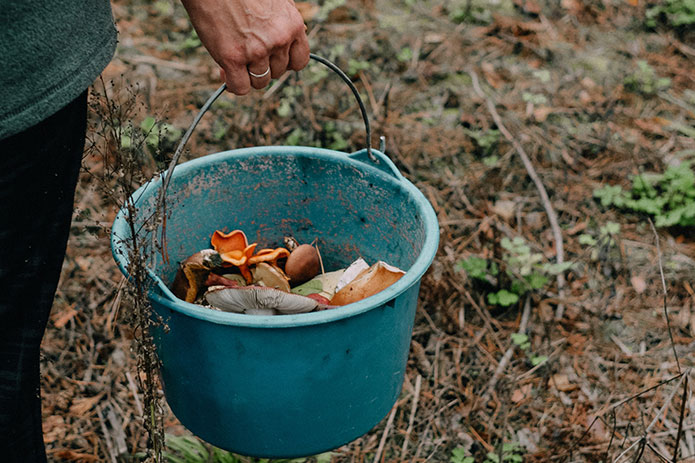
Waste sorting is becoming more and more a part of our daily lives and helps to limit the environmental impact of households. This action consists of recovering and classifying waste according to its nature to recycle it and transform it into new resources. The aim is to avoid waste, limit pollution and save natural resources.
Another way to help preserve the planet is to make compost. For those who are not yet familiar with the term, it is simply a natural process that transforms organic matter into compost, which will later become humus.
You may have wondered what items can be composted. All organic materials can be composted, including fruit and vegetable residues, leaves and unprinted cardboard.
All you have to do is put the waste in a composter (a bin) and it will naturally decompose and turn into soil.
3) Avoid the use of single-use plastic.


Did you know that plastic has a lifespan of about 12 to 15 minutes? Half of the plastic we use is single use. Despite their short lifespan, they take hundreds of years to decompose.
Indeed, much of the plastic sold is recyclable, but it is in fact down cycled. In other words, a plastic item can only be recycled into an inferior product, not into the product itself.
The problem is that a lot of this plastic ends up in beaches, rivers and oceans, contaminating nature.
To avoid this, we can use environmentally friendly products. With simple actions, we can quickly reduce our plastic consumption.
- Replace your plastic bottles with water bottles, shop in canvas bags and buy products without plastic packaging.
- At home, use cloth make-up removal pads and bamboo toothbrushes.
4) Opt for public transport or cycling.


Another way to contribute to eco-responsibility in everyday life is to avoid using the car every day if it is not essential. The massive use of private vehicles makes cities more congested, dirty and noisy.
Using a bicycle as a means of transport, whether for short trips, can be good for your health, the environment and even your wallet, as you won't spend money on petrol, maintenance, etc.
With this small habit, you help reduce air pollution levels and the levels of carbon monoxide and dioxide, hydrocarbons and other particles that contribute to air pollution.
In addition, cycling can improve your physical and emotional health, which reduces stress levels and improves mood.
You can also opt for public transport, which is the ideal alternative for improving urban mobility and largely avoiding traffic jams and congestion.
- At home, use cloth make-up removal pads and bamboo toothbrushes.
5) Eat fruit and vegetables in season.


Eating fruit and vegetables in season has benefits for the environment, but also for our health.
When we eat fruit and vegetables in season, we can be sure that the food has developed naturally, according to the climate of the region in which it was grown. In other words, the natural growth cycle of the product has been respected.
Respecting the natural cycle also gives the products unique flavours, aromas and textures, thus better preserving their nutritional properties and antioxidants.
Consuming ecological products also allows us to respect the planet. Indeed, the cultivation of the latter does not consume too much since they adapt to the climate of the season. It is therefore less likely that pesticides and chemicals have been used.
Share this content